Long, intense days invite people onto tracks, right into browse, and out to sports areas. The period also concentrates danger. Warm presses bodies past their restrictions. Water hides currents and cold shock. Outdoor gear cuts and burns. When something fails, the first two mins matter more than the following twenty. That is why a based approach to first aid, and the right first aid training, can transform an onlooker into a decisive first aid course in Gympie helper instead of a stressed spectator.
This overview makes use of common summer situations I have actually handled with area sporting activities teams, surf clubs, and occasion crews. It links each scenario to useful steps any type of qualified adult can discover, and it shows where a committed first aid course or CPR course supplies the added capability that transforms results. It is not a substitute for hands-on direction, yet it offers you the structure to act now and prepare for the period ahead.
Heat, hydration, and the difference between a wobble and a 000/911 call
Summer brings a range of heat ailments that can look stealthily comparable at first glimpse. Sorting them promptly guides your response.
Heat pains appear as excruciating convulsions in calf bone, hamstring, or abdominal muscles. They often tend to comply with heavy sweating and electrolyte loss. You will see an otherwise sharp person, typically an affordable kind that pushed tough and drank just water. Move them to shade, gently stretch, and provide a beverage with some sodium. If signs and symptoms ease within an hour, you are on track.
Heat fatigue appears like collapse without clear confusion. The individual is light or pale, perspiring, nauseated, and light-headed. Their pulse typically runs quick and thready. Strip warm out of the equation: color, legs boosted, eliminate excess apparel, and apply evaporative cooling with a fan or a wet towel. Supply tiny sips if they can hold a mug and swallow without coughing. Recovery frequently takes 30 to 60 mins, and they ought to not return to effort that day.
Heat stroke is the cliff side. The person is puzzled, cranky, or passing out. Often they quit sweating. Body temperature level can soar above 40 ° C (104 ° F). You do not wait and watch. You call emergency situation services and trendy aggressively during the delay. Cold water immersion is fastest if readily available and secure. Or else, saturate clothing, apply ice to the neck, armpits, and groin, and fan continuously. In a triathlon medical tent a decade back, I saw two just as in shape competitors get here within 5 minutes of each various other. The one we immersed quickly in a wading pool left 6 hours later on. The one that just got awesome towels took far longer to support. Fast air conditioning buys time for the brain.
A solid first aid course will certainly walk you via this triage and let you exercise decision-making under time pressure. You can not imitate oppressive heat in a class, yet you can rehearse the signs that separate a wobble from a crisis.
Water self-confidence and what really helps in the first minute
Drowning is usually silent. No swing, no remarkable phone calls for assistance. In crowded water it typically looks like a person smoothly bobbing. Beyond prevention - choosing patrolled beaches, understanding hole currents, wearing lifejackets on boats - the first aid and CPR skill that matters most is your preparedness to intervene without becoming a 2nd casualty.
If you are not trained in marine rescue, reach or toss before you go. A long branch, a towel, a life ring, even a cooler lid gives a having a hard time swimmer something to cling to while you remain secured. If you need to enter the water, strategy with a flotation aid in between you and the person, and keep a risk-free range in case they order at you.
Once ashore, check responsiveness and breathing. Gasping or agonal breaths do not count as typical. If the individual is less competent and not breathing typically, begin CPR immediately and ask a person to call for assistance and bring an AED. Compression-only CPR is much better than postponing to deliver rescue breaths if you are alone or uncomfortable, yet if you have current CPR training, combine 30 compressions with two rescue breaths. In sinking, those breaths matter since hypoxia is the main insult.
I have utilized AEDs on coastlines and on pool decks. The gadgets instructor you detailed, yet rate of placement impacts survival. Good cpr training removes the reluctance that costs seconds. A cpr refresher course every year is perfect when you hang around around water.
Bites, stings, and the summertime menagerie
Different areas have different risks, so inspect local guidance. The principles below cover the bulk of summer encounters.
Bee and wasp stings typically cause instant pain, redness, and swelling. Remove the stinger promptly by scraping or flicking, not squeezing. Use a cold pack. Expect hives away from the sting site, swelling of lips or tongue, hoarse voice, or trouble breathing. That collection recommends anaphylaxis, which requires an epinephrine auto-injector if readily available and an urgent ambulance action. After making use of an auto-injector, lay the person flat unless they are throwing up or battling to breathe. A 2nd dose can be given if signs continue after five to ten minutes.
Jellyfish differ from frustrating to serious. In many temperate beaches, vinegar helps reduce the effects of painful cells for box jellyfish and some relatives, though it can aggravate symptoms for others. Neighborhood browse clubs and beach patrols established the criterion for the location, so discover what they recommend. Do not rub sand into the sting. Tentacles left on skin can keep shooting, so gently raise them off with tweezers or the edge of a card. Warmth commonly lowers pain better than chilly for sure stings, so a bucket of hot water at a safe temperature level can be a lot more reliable than an ice pack.
Snake bites in warm months are rare yet significant. Maintain the person calmness and still. Apply a stress immobilization plaster from listed below the bite up the limb, firm and even, not a tourniquet. Splint the arm or leg. Mark the moment. Do not cut, suck, or clean the injury. You desire the poison trace to overview antivenom choice. Transportation by ambulance.
Ticks bring their very own regional difficulties. Get rid of a tick with fine-tipped tweezers, near the skin, constant and straight. Tidy the website. In some areas, paralysis can occur from prolonged add-on. High-yield steps are easy: routine skin checks after bushwalking, light apparel you can examine, repellent where ideal, and calm elimination without twisting the mouthparts.
An extensive first aid course will certainly not only cover the auto mechanics, it will certainly orient you to local protocols and proof. Good teachers instruct judgment. For instance, encouraging a beachgoer to look for a physician after a serious jellyfish sting due to the fact that delayed responses can intensify, rather than swing them off as soon as the pain settles.
Cuts, burns, and the truths of camp kitchens and yard barbecues
Ambition in a summer kitchen area commonly exceeds security. Warm grills, skewers, and sharp knives integrate with sun tiredness and alcohol. I have actually seen more hand lacerations on long weekends than during entire winter months months.
For blood loss cuts, your top priorities are pressure, elevation, and cleanliness. Apply solid straight pressure with a clean towel or dressing. Raise the arm or leg if practical. As soon as bleeding slows down, rinse with tidy water. Eliminate noticeable particles with irrigation instead of digging at the wound, which just drives dirt deeper. Stay clear of hydrogen peroxide or iodine inside the wound, both slow healing. Cover with a sterilized dressing. Look for stitches if the injury gapes, goes across a joint, won't quit bleeding after ten minutes of strong stress, or if it is on the face or a tendon-rich area like first aid training in Ringwood the hand.
Burns come under 3 categories you ought to recognize at a glance. Shallow burns redden and sting; partial-thickness burns sore; full-thickness burns might look white or charred and can be strangely pain-free due to the fact that nerve closings are damaged. Cool burns under delicately running awesome water for 20 minutes. Time matters more than expensive gels. Get rid of rings and precious jewelry early, prior to swelling traps them. Do not pop sores. Cover with a tidy, non-adhesive clothing. For partial-thickness or bigger burns, look for medical care. If an artificial fabric has melted into the skin, cool it in place and leave removal to experts. Barbeque fat flare-ups frequently trigger patchy burns with unexpected deepness, so err on the side of evaluation.
The finest first aid package for summer season cooking areas is not made complex: saline coverings or a clean water resource, gauze, non-stick dressings, glue tape, a set of nitrile handwear covers, a little bottle of soap, and a roll of stick movie to lightly cover burns when you are far from care. The distinction between recognizing these basics and screwing up with out-of-date lotions turns up in recovery time and scarring.
Sun safety and security beyond sunscreen
Most adults understand the SPF game. Fewer value how other tactics stack. Wide-brim hats outmatch baseball caps due to the fact that they shield the ears and neck. UV-rated long-sleeve t-shirts make you much less based on perfect sun block reapplication, which hardly ever occurs after the second swim. Select color each hour the sun climbs greater rather than surviving. If you do obtain shed, the first aid action is similar to other shallow burns: cool running water, basic cream after the warmth fades, and hydration. Avoid topical anesthetics that can animate skin.

Heat likewise exposes drugs and problems. Diuretics, certain antihypertensives, antihistamines, and stimulant medications can change thermoregulation or hydration needs. Asthma commonly flares with heat and smoke from fires or grills. A sound first aid and cpr course normally includes a component on medical emergency situations that tend to intensify rapid outdoors, from bronchial asthma to diabetic hypoglycemia. Ask for that when you book.
Allergies, asthma, and the summertime storm effect
Warm air holds even more plant pollen. Area dry, dirt increases. In sporting activities setups I keep two psychological lists: that lugs an inhaler, and that has an EpiPen. You can not constantly understand, so you expect signature patterns.
Asthma in a video game or run often appears like slowing speed and a coughing that does not seem productive. After that comes the distinct wheeze. If the individual is still chatting in sentences, instructor them with four puffs of a short-acting inhaler with a spacer, individually, sluggish breaths in between. If they are having a hard time to talk or their lips look dusky, ask for a rescue while you help. Repeat doses as signs dictate, not according to cool five-minute blocks.
Anaphylaxis evolves over mins. Skin indicators can be subtle or lacking. Pay more attention to breathing and circulation: swelling, limited breast, hoarse voice, wooziness, collapse. Make use of the auto-injector promptly if standards are met. Lay the person level, other than if they are vomiting, in which case position them on their side. Maintain them still. Abrupt standing after epinephrine takes the chance of a dangerous drop in high blood pressure. This is just one of those information covered well in credible first aid courses that prepare volunteers for sporting activities or school settings.
Wilderness days: hikes, climbs, and remote swims
Distance from care changes whatever. A sprained ankle on a city loop is a trouble. The very same injury on a ridge line turns into a person product packaging workout, source allowance, and a communication challenge.
Sprains and fractures demand the same preliminary treatment: quit movement, analyze distal blood circulation and experience, and splint in the setting of convenience. Cooling with water or an ice bag decreases swelling early, but in wild settings preserve water first. The decision to evacuate or wait can be nuanced. If an individual can birth weight with a walking stick and you are within 2 kilometers of a road, a cautious assisted exit may beat waiting hours for a stretcher lug. If they can not feel their toes or pain is severe and relentless, stay put, keep them warm, and call for help.
Blisters wreck trips. One of the most efficient first aid is avoidance: completely dry socks, smooth soles, tape or hydrocolloid dressings on hot spots at the initial tingle. If a blister kinds and you need to keep relocating, tidy, lance at the side with a sterilized needle, express liquid, leave the roof in position, and cover. Over numerous team walkings, this practice has actually conserved even more morale than any type of pep talk.
Hypothermia still happens in summer season, especially after an unanticipated swim or tornado. Wind strips warm quickly. The repair is shelter, insulation from the ground, and dry layers. Warm, pleasant drinks aid if the person looks out. Stay clear of quick energetic rewarming of arm or legs in area problems because cool blood going back to the core can aggravate things. Great remote first aid training explores these edge situations and gives you the hard-won practices - for instance, always packing a light bivy bag or area covering also on blue-sky days.
Sports sidelines: crashes, traumas, and cardiac arrest on the rare day it matters
Weekend leagues grow faster than their safety capacity. A single trained volunteer and an AED per field turns that formula. I have actually seen both results when that equipment was and was absent. Preparation is not paranoia, it is regard for the numbers.

Concussion recognition keeps gamers risk-free. A dazed appearance, slow-moving solutions, equilibrium issues, frustration, nausea or vomiting, or state of mind change ought to get rid of somebody from play. They do not require to be knocked senseless. There is no same-day return. Written return-to-play assistance exists across codes, but the on-field decision is straightforward: if unsure, rest them out. Monitor for warnings like getting worse frustration, repeated throwing up, seizure, or uncommon drowsiness, and prepare medical assessment.
Nosebleeds, finger misplacements, and contusions fill the rest of the case book. Direct stress on soft areas beside the bony bridge aids nosebleeds. For a finger that looks out of location, splint it where it exists and cool; do not tug it back unless you are educated and it is immediate. These low-drama phone calls construct your trustworthiness to make sure that, when you ask to stop a suit for a weak gamer, individuals listen.
Sudden cardiac arrest throughout sport is uncommon however extraordinary. Immediate CPR and defibrillation within 3 to 5 minutes can more than double survival. That is the factor a cpr course and easy AED accessibility are not luxuries. A first aid pro on the sideline generally runs the choreography: a single person on compressions, one on the AED, one calling emergency services and flagging down -responders, one cleaning room and gathering a history. Exercise the choreography at the start of the season. Muscular tissue memory defeats chaos.
Food, drink, and the pleasant trap of a best picnic
Food poisoning seldom kills a day outright, however it can paralyze a week. Wasting risk spikes over 5 ° C. Keep cold foods cool in insulated colders with adequate ice to exceed opening and closing. Raw meat at a barbecue ought to not join salads, and a different set of tongs for cooked food is non-negotiable. At huge celebrations I designate someone to food safety. This easy duty prevents the diffusion of obligation that leads to poultry resting half-cooked while a person informs a story.
Hydration is about preparation, not catch-up. Thirst lags. When I crew ultras or instructor junior teams in summer season, I spending plan liquids at 400 to 800 ml per hour relying on warm and intensity, with salt intake matched with food or electrolyte beverages when sweat rates are high. Individuals differ considerably. A smaller sized athlete first aid and cpr course Ringwood who drinks frequently may do fine at the low end, while a hefty sweater in a black kit needs a lot more. Overhydration is real. If somebody is consuming alcohol excessively, throwing up, and has a migraine after long endurance efforts, take into consideration hyponatremia and look for medical care instead of pushing more water.
Alcohol strips judgment and sychronisation. The most typical pattern I see is a sober setup followed by a gradually less mindful atmosphere as the event rolls on. Establish security supports before the very first drink. Designate a sober swimmer or captain for water. Put the first aid set in a noticeable location and show 2 individuals exactly how to use the AED on scene. You do not want to brief a panicked team after an accident starts unfolding.
Children, heat, and the covert hazards around home
Backyards and vacation rentals feel safe, which is why they reproduce complacency. Toddlers locate water, family pets, and sharp sides with accuracy. The most effective remedy is a habit of scanning.
Kiddie swimming pools, containers, and open eskies with meltwater are sinking risks for toddlers that can wrong themselves. Vacant them after usage and fence irreversible pools. Keep hot beverage mugs and bbq devices unreachable. Sun camping tents offer infants color without the sun block difficulty. In baby strollers, clip-on followers aid only if the cover permits air movement; otherwise, you develop a hotbox. Examine safety seat and rear seats every journey. Heartbreaking outcomes often adhere to tiny routine changes, like a various parent doing drop-off. Construct in reminders.
A first aid and cpr course tailored to parents covers infant choking and CPR. The technique varies from adult methods, and exercising on an infant manikin makes a lasting perception. People bear in mind the confidence of that very first upper body rise after appropriate breaths during a class, and it sticks when they need it.
Building a summer-ready first aid set and abilities that match your plans
Your set should reflect what you do. A family that camps two times a month requires extra robust materials than an occasional beachgoer. The same goes with abilities. If you volunteer with a surf club, your cpr training must consist of rescue breathing and oxygen admin. If you lead hikes, a wilderness-oriented first aid course that stresses improvisation deserves the extra hours. The right first aid and cpr course pays for itself the first time you use also one ability under pressure.
Here is a compact checklist to tune both gear and training before summer ramps up:
- Match your first aid training to your activities: conventional first aid for home and office, add cpr course with AED for sports and water, think about wilderness modules for remote trips. Check your first aid certificate expiry and book a cpr refresher course if you are beyond 12 to 24 months given that your last session. Audit and restock packages: outdated items like glue dressings, sterilized saline, and medicines break down; replace missing handwear covers, gauze, and melt dressings. Identify AED areas at your regular locations and map the quickest paths in. If you have one, test pads and batteries. Set functions for reoccuring events: a single person responsible for the set, one learnt first aid and cpr, one marked to call EMS if needed.
The checklist over lives well on a fridge or in a group chat. It is short by design. Anything much longer collects dust.
How to select the best program and provider
Not all first aid courses meet the exact same criterion. Go for programs that align with national or international guidelines, update material yearly, and consist of circumstance technique, not simply powerpoint. Good carriers reveal the scope plainly: what you will learn, how long it takes, the proportion of pupils to trainers, and the credential you get at the end.
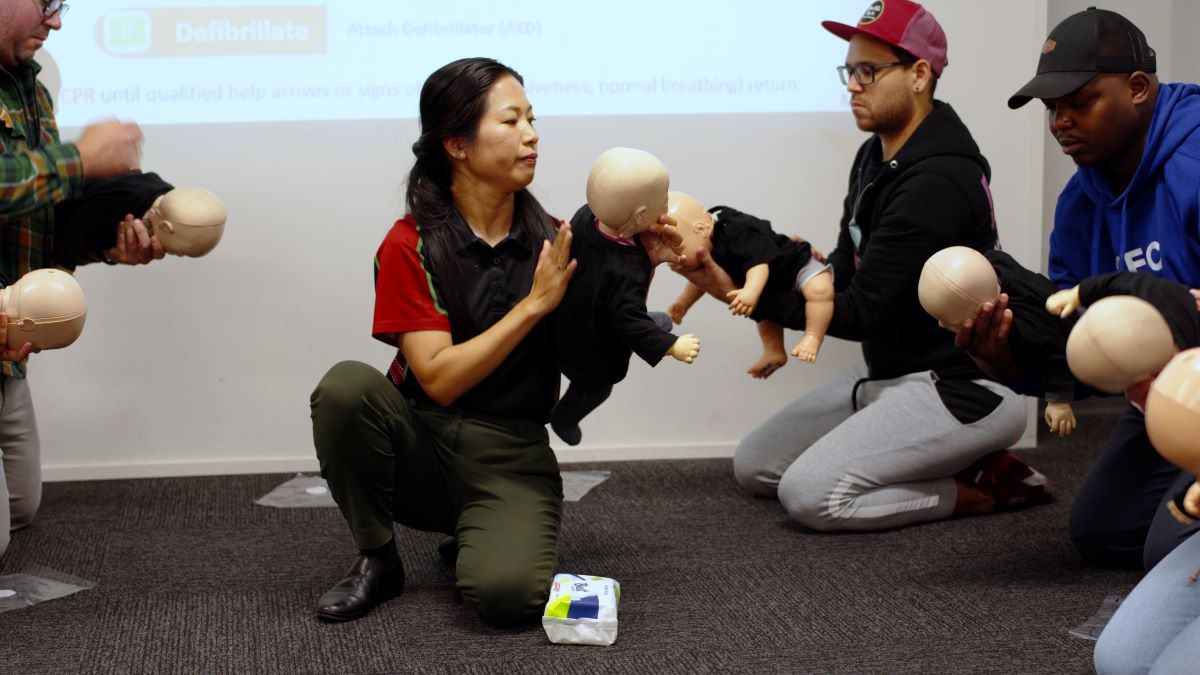
For lots of people, the baseline program is a mixed first aid and cpr course that covers blood loss control, burns, fractures, medical emergencies like bronchial asthma and anaphylaxis, and high-quality CPR with AED use. If your job or volunteer duty places you around children, request pediatric modules. If you invest weekends by the water, select a course that highlights drowning recognition and rescue breathing. If you handle teams or occasions, ask whether the training course includes case command fundamentals and exactly how to coordinate bystanders.
The value of a first aid pro as a teacher is their case-based mentor. They will share genuine resuscitations, heat breaks down, or anaphylaxis occasions and reveal you just how they navigated the untidy information. They will certainly likewise challenge you with what-if situations: what happens if the AED fails to assess, what if the hurt jogger refuses treatment, what if lightning strikes near your area and you require to clear numerous people in mins. Those conversations hone judgment more than memorizing steps.
Finally, plan for refreshers. Many certifying bodies established first aid certificate credibility in between two and 3 years and recommend annual cpr refresher course sessions. Skills degeneration is not an ethical failing, it is human nature. Short, hands-on refreshers maintain compressions deep, breaths reliable, and decision trees clear.
When to skip heroics and call for aid early
Experience teaches restraint. There are times when first aid has to do with containment while professional assistance mobilizes. A float-plane mishap, an unconscious scuba diver, a suspected back injury in surf, or a chest discomfort circumstance in a middle-aged spectator that looks grey and sweaty - your ideal relocation is to call right away, maintain the person still, and prepare to start CPR if needed. Do not be embarrassed by a dud. Dispatchers prefer to cancel a reaction than get here late to an avoidable catastrophe.
At huge occasions, we organize a jogger at the nearest cross street to satisfy paramedics. In remote settings, we bring a billed satellite communicator. Around water, we rehearse signals and have throw ropes obtainable. These methods set you back little, and they purchase speed.
The summer season mindset: plan, notice, act
Safety in summertime boils down to three habits. Plan with the weather and your group's capacities in mind. Notice the subtle indications when individuals drift toward trouble: the quiet swimmer, the flushed runner who is not sweating, the kid that is instantly also quiet near the swimming pool, the visitor that keeps massaging their breast. Act early with easy, decisive steps as opposed to waiting for quality that seldom shows up all at once.
Competence is not good luck. It is discovered. Whether you sign up for a regional first aid course, book cpr training with your sporting activities club, or devote to a first aid and cpr courses bundle that ticks off your first aid certificate for the year, the financial investment pays throughout numerous small minutes you will barely bear in mind and the few huge ones you will never forget.
Summer amplifies pleasure and danger in equal measure. Furnish on your own to tip the balance.